How to track progress without micromanaging
Learn effective progress tracking methods that keep projects on track without crushing team autonomy. Practical techniques for smart oversight.
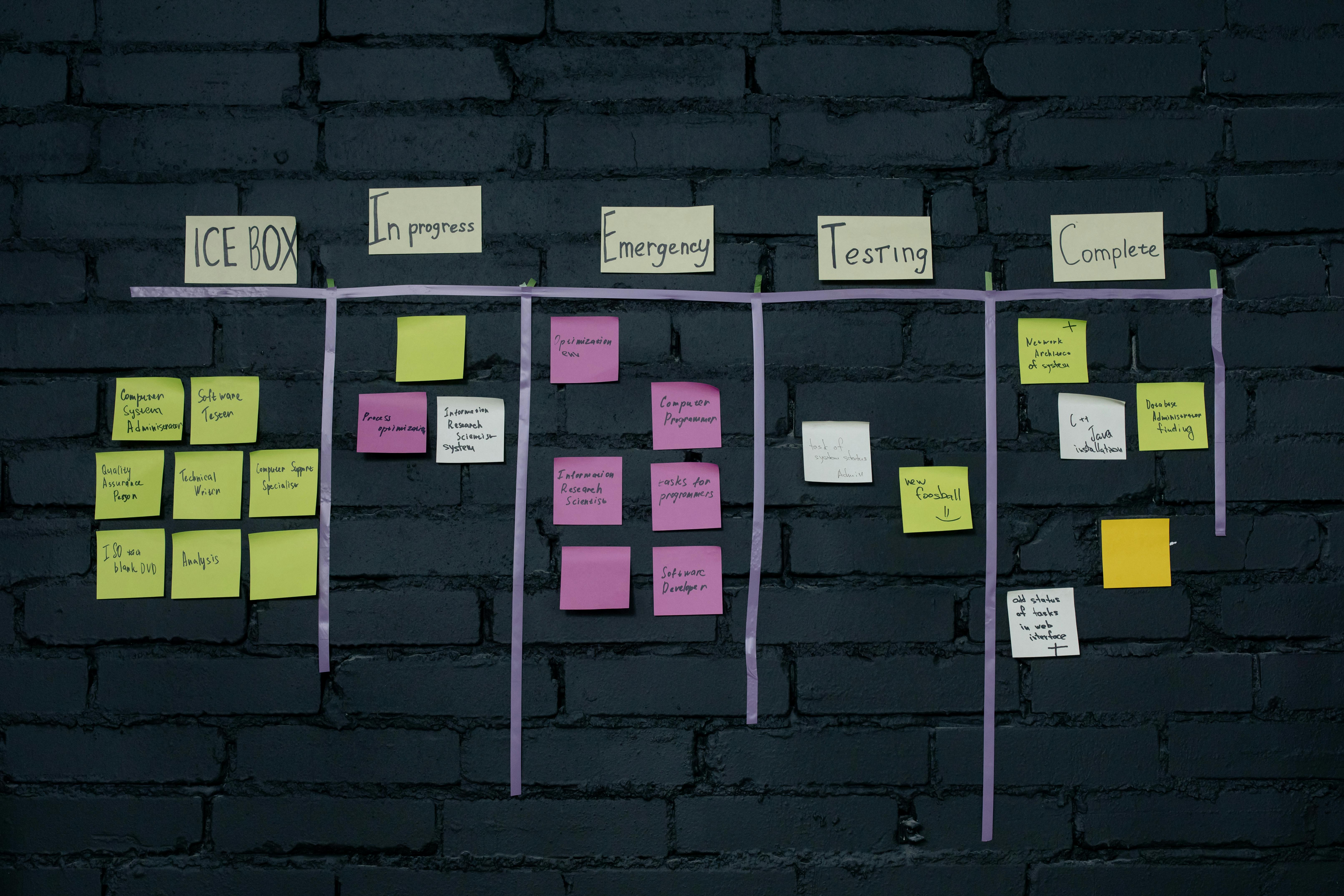
Most managers think they have two options: either breathe down their team’s neck or fly blind until the deadline hits. Both approaches fail spectacularly, just in different ways.
The micromanager creates a culture of learned helplessness where team members stop thinking for themselves. The hands-off manager discovers problems too late to fix them. Neither gets the real-time visibility they need to make good decisions.
Effective progress tracking sits in the sweet spot between these extremes. It’s about creating systems that surface information naturally rather than extracting it through interrogation.
Create predictable rhythms, not surprise inspections
The difference between good oversight and micromanagement comes down to predictability. When team members know exactly when and how they’ll report progress, it becomes routine rather than intrusive.
Establish fixed check-in points that make sense for your project’s rhythm. For most small teams, this means a brief weekly status update and a monthly deeper review. The weekly update shouldn’t be a meeting - a simple written update covers 90% of what you need to know.
What separates effective status updates from busywork is focus. Instead of asking ‘what did you work on this week?’, ask three specific questions: What did you complete? What’s blocked? What are you tackling next?
This format forces people to think about their work strategically rather than just listing activities. It also makes exceptions obvious - when someone can’t answer ‘what did you complete?’, that’s your signal to dig deeper.
Track outcomes, not activities

Aircraft maintenance crews learned long ago that checking boxes doesn’t guarantee safety. What matters isn’t whether a mechanic spent eight hours on an engine - it’s whether the engine passes its performance tests.
The same principle applies to project work. Tracking hours worked or tasks started tells you nothing about actual progress. Focus on completed deliverables and measurable outcomes instead.
This shift in thinking changes how teams approach their work. When people know they’ll be measured on what they finish rather than what they start, they naturally prioritise completion over initiation. They also become more realistic about what they can actually accomplish in a given timeframe.
For creative or complex work where deliverables aren’t always tangible, establish interim checkpoints. A software feature might have checkpoints at ‘requirements defined’, ‘core functionality working’, and ‘testing complete’. A marketing campaign might track ‘strategy approved’, ‘assets created’, and ‘launch executed’.
Build transparency into the work itself
The best progress tracking happens automatically as a byproduct of how work gets done. When your systems make progress visible without extra effort, people actually keep them updated.
This means choosing tools and processes that capture progress as people work, not as a separate reporting exercise. A well-structured project board where people move cards as they complete work gives you real-time visibility without asking anyone to write a single status report.
But transparency isn’t just about tools - it’s about culture. Teams that share information freely are easier to manage than those that hoard it. Create an environment where people naturally communicate about obstacles, dependencies, and timeline concerns.
One simple technique: make blockers and risks as visible as completed work. When your team gets comfortable saying ‘I’m stuck on X and need help with Y’, you’ll spot problems while there’s still time to solve them.
Know when to zoom in

Good progress tracking gives you early warning signals so you can intervene before small issues become big problems. The key is recognising which signals actually matter.
Missed deadlines are obvious red flags, but they’re also lagging indicators - by the time you see them, you’re already behind. Better early warning signs include: scope creep in task descriptions, increasing time estimates for remaining work, or team members consistently working on different priorities than planned.
When you do spot warning signs, resist the urge to micromanage your way out of trouble. Instead, focus on removing obstacles and clarifying priorities. Most progress problems stem from unclear requirements, competing priorities, or missing dependencies - not lack of effort.
Sometimes zooming in means having uncomfortable conversations about unrealistic expectations or insufficient resources. These conversations get easier when you have objective data about what’s actually happening rather than relying on gut feelings or assumptions.
Make status updates work for the team, not just you
The fatal flaw in most progress tracking is that it only serves management needs. When status updates feel like performance theater rather than useful communication, people game the system instead of using it honestly.
Design your tracking so it genuinely helps the team coordinate their work. Status updates should surface dependencies between team members, highlight shared blockers, and create opportunities for collaboration.
When someone mentions being stuck on a technical problem, that’s valuable information for other team members who might have solutions. When multiple people flag the same external dependency, that’s your cue to escalate it as a manager.
This approach transforms status updates from management overhead into team coordination tools. People actually want to participate because they get value from the process, not just because it’s required.
Effective progress tracking isn’t about watching people work - it’s about creating systems that help everyone make better decisions. When your team has clear visibility into what’s happening across the project, they can solve problems themselves instead of waiting for you to notice and intervene.
The goal isn’t perfect information or total control. It’s having enough visibility to spot trends, remove obstacles, and keep everyone aligned on what matters most.
Quick reference
Learned helplessness: A psychological condition where people stop trying to solve problems because they believe their actions won’t make a difference.
Lagging indicators: Metrics that show results after events have already occurred, making them useful for measuring outcomes but not for preventing problems.
Scope creep: The gradual expansion of project requirements beyond the original plan, often leading to delays and budget overruns.